Advanced Blemish & Benign Lesion Removal in London
Safe, Effective Removal of Skin Tags, Milia, Warts & More
What Is Advanced Blemish Removal?
At Ace Skin Health Clinic, we understand that even small skin concerns can impact your confidence. As many benign lesions are no longer treated within the NHS, we offer a specialised service for the safe and effective removal of common skin growths.
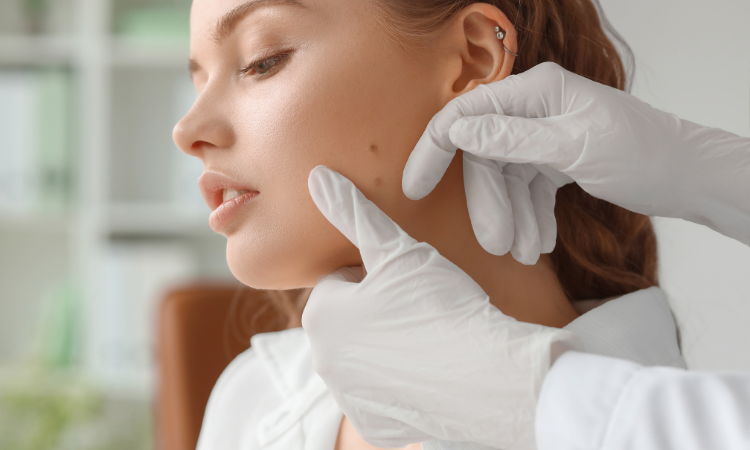
Advanced blemish removal refers to a range of non-surgical treatments used to safely remove benign (non-cancerous) skin lesions.
These may develop due to genetics, ageing, sun exposure, hormonal changes or viral activity. Each lesion is carefully assessed based on its type, size and behaviour, allowing us to select the most appropriate treatment method while protecting the surrounding skin.
This service is suitable for both face and body, and is always guided by clinical safety, suitability and realistic expectations.
We use a “Triple-Technology” approach – Advanced Electrolysis, Laser, and Cryotherapy – to ensure every blemish is treated with precision, restoring smoother, clearer, and more even-looking skin with the most effective method for your specific skin type and lesion structure.d treatment.
About blemish removal
What Advanced Blemish Removal Can Help With
At Ace Skin Health Clinic, we treat a wide range of common benign skin lesions and blemishes, using a tailored approach based on their structure, depth, and cause.
- Common Skin Growths
These are non-infectious, benign growths often linked to ageing, genetics or skin type. - Skin Tags
Skin tags are soft, flesh-coloured growths that often develop in areas of friction, such as the neck, underarms, or body folds. They are harmless but may become irritated or increase in number over time. They can be quickly and safely removed using advanced electrolysis or cryotherapy. - Seborrhoeic Keratosis
These are benign, raised lesions with a waxy or “stuck-on” appearance. Their colour ranges from light brown to dark and they are commonly associated with ageing. They can be safely removed to improve skin texture and appearance. - Dermatosis Papulosa Nigra (DPN)
DPN appears as small, dark, raised lesions, most commonly on darker skin tones. It is a benign condition but often a cosmetic concern. Treatment requires a careful, low-trauma approach to minimise the risk of pigmentation. - Sebaceous Hyperplasia
Enlarged sebaceous (oil) glands appear as small yellowish bumps, often with a central indentation. These are often mistaken for acne but require a different treatment approach. - Mole Reduction
Raised benign moles can be reduced to skin level for a smoother appearance, for cosmetic reasons, after careful assessment. Note: All moles require a GP’s confirmation that they are benign before cosmetic reduction. We can provide guidance on how to obtain this during your consultation. - Vascular Lesions (Red Blemishes)
These are lesions related to blood vessels and circulation within the skin. - Telangiectasia (Thread Veins)
These are small, visible blood vessels that appear as fine red lines, most commonly around the nose and cheeks. They are often associated with rosacea, sun damage, or genetics, and can be effectively treated using vascular laser or advanced electrolysis. - Cherry Angiomas
Cherry angiomas are small, bright red or purple vascular lesions formed by clusters of blood vessels. They tend to increase with age and can be treated effectively with Nd:YAG laser or advanced electrolysis. - Spider Veins
Small superficial red veins that resemble a spider, commonly found on the face or legs. They can develop due to genetics, trauma, hormonal changes, or certain medical conditions. - Red & Blue Leg Veins
Superficial veins that appear red, purple or blue, commonly on the legs. They can develop due to genetics, hormonal changes or prolonged standing. - Viral Lesions
These are caused by viral infections and may spread if not treated appropriately. - Common Warts
Common warts are caused by the human papillomavirus (HPV) and appear as rough, raised lesions, usually on the hands or fingers. Treatment aims to destroy the infected tissue and stimulate the body’s immune response. - Plane Warts
Plane warts are flatter and smoother than common warts and often appear in clusters, particularly on the face or hands. They spread easily and are treated carefully to avoid irritation or scarring. - Filiform Warts
These are long, narrow warts that often appear around the eyes, lips, or neck. Because of their shape and location, they require precise removal techniques to protect the surrounding skin. - Verrucae
Verrucae are warts that develop on the soles of the feet. They may be painful due to pressure when walking and often require a combination of treatments to remove the lesion effectively and reduce recurrence. - Eye Area & Subdermal Lesions
These require a particularly delicate and precise approach due to the sensitivity of the area. - Milia
Small, white keratin-filled cysts are commonly found around the eyes and cheeks. They do not resolve on their own and require professional removal. - Syringoma
Syringomas are small, flesh-coloured or yellowish bumps caused by the overgrowth of sweat glands, typically found around the eyes. They can be persistent and require precise treatment to reduce their appearance. - Xanthelasma
Xanthelasma are soft, yellowish plaques typically found around the eyelids. They result from cholesterol deposits beneath the skin and require careful removal, depending on their size and depth. - Sebaceous Cysts
Sebaceous cysts are large, benign lumps beneath the skin filled with sebum. They can become inflamed or infected and may require careful treatment or referral, depending on their size and condition. - Epidermoid Cysts
These are slow-growing lumps beneath the skin that contain keratin. They are usually harmless but can become inflamed. Treatment depends on their size and presentation. - Pigmented Lesions & Sun Damage
These are commonly associated with UV exposure, ageing, and pigmentation changes. - Age Spots (Sun Spots)
Age spots are flat, pigmented lesions caused by prolonged sun exposure. They commonly appear on the face, hands, and chest, and can be effectively treated to restore a more even skin tone.
Advanced Removal Treatment Methods & Technologies
Each treatment is selected to ensure the best balance between effectiveness, skin safety, and healing time. No single method is suitable for all lesions. At Ace Skin Health Clinic, the choice of technology is based on a detailed assessment of the type and structure of the lesion, its depth and location, your skin tone and healing response, and the risk of pigmentation or scarring. This enables us to select the most appropriate treatment approach, ensuring effective removal, minimal trauma, and optimal healing.
Advanced Electrolysis (Thermolysis / Diathermy)
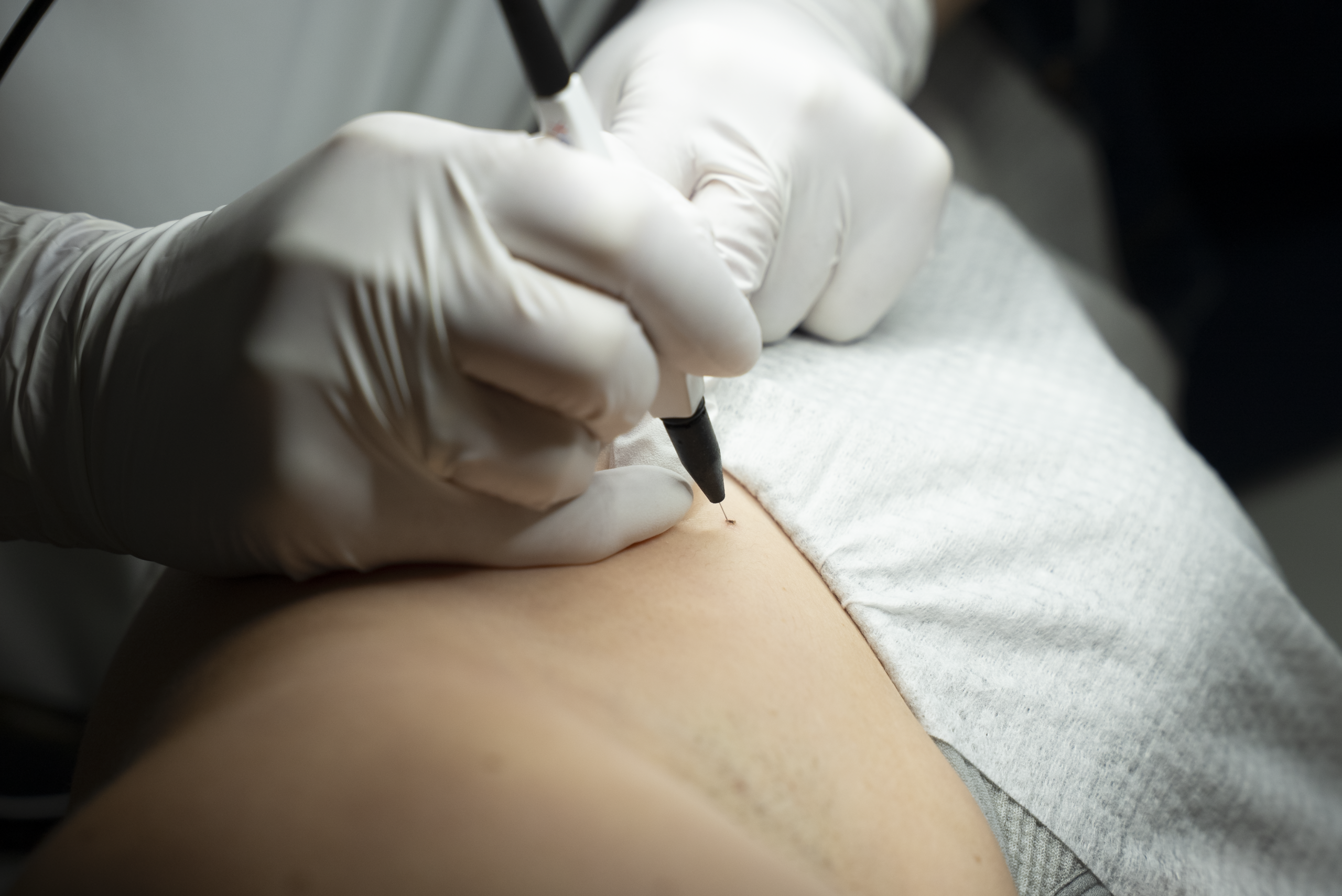
Advanced electrolysis uses a sterile fine probe and high-frequency current to generate controlled heat within the lesion. This heat cauterises and breaks down unwanted tissue while preserving the surrounding skin.
Because the current is delivered with precision, electrolysis is particularly effective for raised lesions and surface irregularities. The treated tissue dries and forms a small crust, which naturally sheds as the skin heals.
This method allows for highly controlled treatment, making it suitable for delicate areas and for clients with pigmentation-prone skin.
Nd:YAG & Alexandrite Laser
Laser works by delivering targeted light energy into the skin, where it is absorbed by specific structures such as blood vessels or pigment. The energy is converted into heat, which causes controlled damage to the targeted tissue without affecting the surrounding skin.
Cryotherapy
Cryotherapy works by applying controlled freezing to the lesion. The rapid drop in temperature causes the cells within the lesion to freeze and break down.
As the tissue is destroyed, the lesion may darken, blister or form a crust before gradually shedding over the following days. The body then replaces the treated area with new, healthy skin.
Cryotherapy is commonly used for warts, verrucae, skin tags and certain keratoses, and is particularly effective for lesions where controlled tissue destruction is required.
Our Personalised Approach
At Ace Skin Health Clinic, advanced blemish removal is always tailored to your skin and the specific lesion being treated. No two blemishes behave the same, so a detailed assessment is essential before treatment. We evaluate the structure, depth, and location of the lesion, as well as your skin type and healing response. This enables us to select the most appropriate method – advanced electrolysis, laser, or cryotherapy – ensuring effective removal while minimising trauma to the surrounding skin.
Particular care is taken when treating sensitive or pigmentation-prone skin, where precise technique and controlled energy delivery are essential to reduce the risk of post-inflammatory hyperpigmentation. Our approach prioritises precision, skin safety, and optimal healing, with clear aftercare guidance to support long-term results and reduce recurrence.
At Ace Skin Health Clinic, your safety is our priority. Located in the heart of Islington, we serve clients from Angel, Highbury, and across North London who seek a clinical environment for their skin concerns.
Clinical Safety Protocol: All lesions must be assessed as benign. We are highly trained in lesion identification; however, if we suspect a lesion has unusual features, we will refer you to a GP or Dermatologist for a formal check before proceeding. This ensures your health is never compromised for a cosmetic result.
Meet the Founder & Lead Practitioner
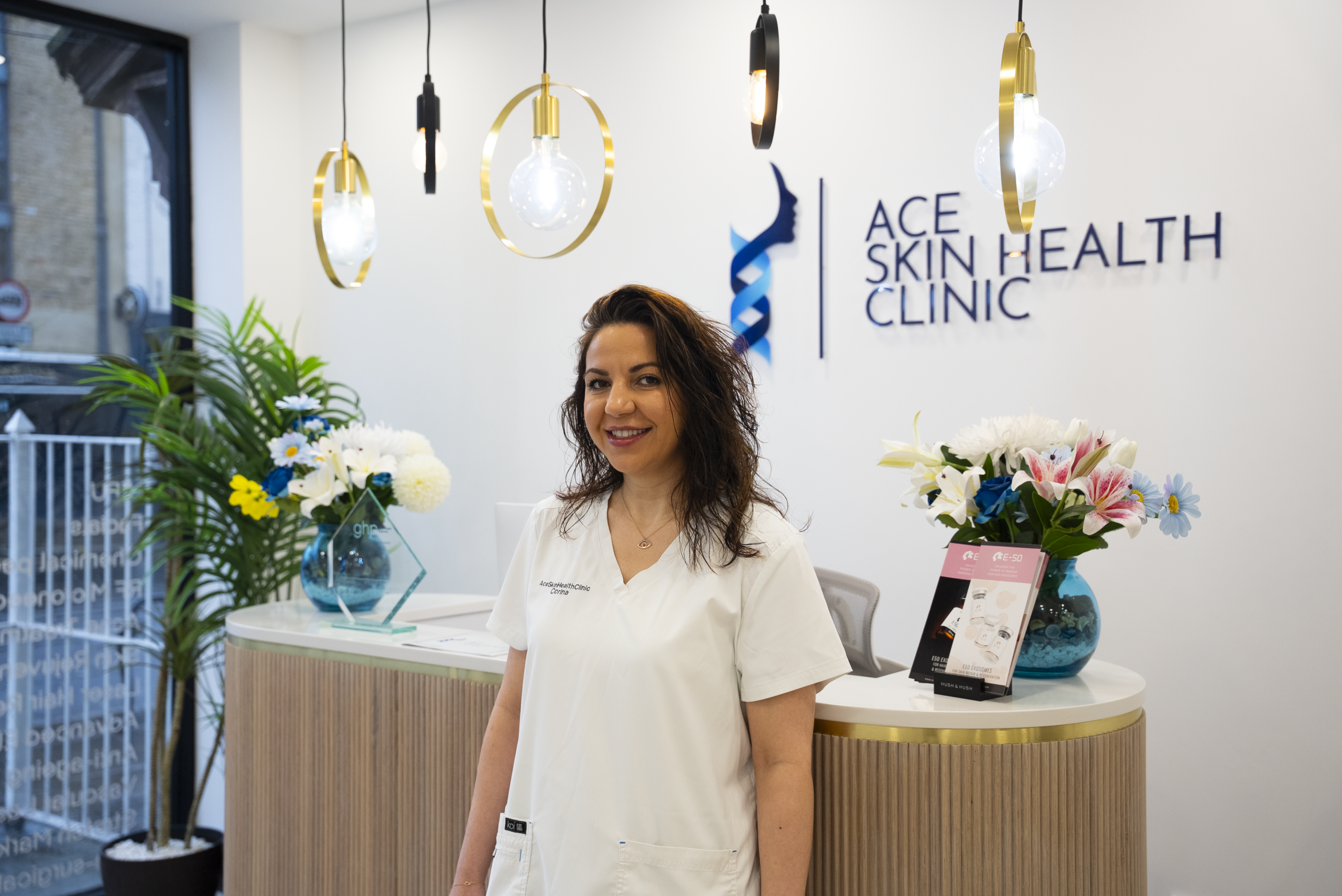
Corina Mihalache
L5 Aesthetic Practitioner | BIAE & JCCP Registered | Award-Winning Specialist
Ace Skin Health Clinic was founded by Corina Mihalache, an advanced aesthetic practitioner and electrologist dedicated to skin health, education, and lasting results, with a reputation for precision and empathy. Her approach to skin is guided not by trends, but by a genuine understanding that every skin is unique and every journey is personal.
Her philosophy is simple: skin should be understood, not rushed.
Corina combines clinical knowledge with a highly personalised approach, creating an environment where clients feel understood, supported, and guided. Her work focuses on improving the appearance of the skin, restoring confidence, and building long-term skin health.
Our founder, Corina Mihalache, is regularly consulted by major publications for her expert clinical insights. She has discussed advanced ingredients such as Tranexamic Acid and provided advice on rosacea triggers. Our expertise has been featured in several recognised publications.
★ ★ ★ ★ ★
“The treatment plan I am on has totally transformed my problem skin which now looks and feels amazing!”

Ann B.
★ ★ ★ ★ ★
“The most relaxing bespoke treatment tailored specifically for my skin needs and follow up treatment plan provided.”

Kezia C.
★ ★ ★ ★ ★
“Corina is such an amazing person with great skills and knowledge about skincare. Highly recommended!”

Samrawit K.
Tailored treatments based on your skin, goals, and lifestyle. Professional skin assessment, personalised advice.
FAQs
At Ace Skin Health Clinic, we believe informed clients achieve the best results. These FAQs cover the most common questions about our approach, safety standards, and treatment process, so you can book with confidence and clarity.
Still have questions?
Get in touch with our team and we will answer all of your questions before you book a session.
Does blemish removal hurt?
Most procedures involve a quick stinging or heat sensation. For more sensitive areas, the sensation is brief and very well-tolerated.
Will the lesion come back?
Once removed, most lesions do not return. However, new ones may develop over time depending on skin type and genetics.
Is there downtime?
Downtime is minimal, but the treated area will go through a healing process which may include redness, darkening or light scabbing.
Does it leave a scar?
When treated correctly and with proper aftercare, the risk of scarring is low. Skin characteristics and healing response will be discussed during your consultation.
Can you treat moles?
We offer mole reduction in selected cases, subject to assessment. Any lesion with unusual features requires medical review before treatment.
Is blemish removal safe for dark skin tones?
Yes. However, we take extra care with lesions such as DPN or skin tags on darker skin to prevent post-inflammatory hyperpigmentation (PIH). Skin preparation must be carried out carefully to reduce the risk of pigmentation changes. We tailor the method to your skin type and concern.
Do I need a consultation first?
Yes. A consultation is important to assess suitability, select the safest treatment method and discuss healing expectations.
How many sessions are needed?
Most blemishes require one session. Others, such as warts and verrucae, may require a follow-up treatment due to their viral nature.
Do I need a doctor’s note?
For most blemishes, we can proceed after our own clinical assessment. However, to ensure your safety, we require all moles to be assessed as benign by a GP or specialist before we perform cosmetic mole reduction. We can provide guidance on how to obtain this during your consultation.
Ready for Clearer Skin?
If you’re concerned about skin tags, milia, warts or other benign lesions, our advanced blemish removal treatments offer a safe, precise and effective solution.
Book your consultation at Ace Skin Health Clinic, Islington
and receive a personalised assessment with a treatment plan tailored to your skin.
Get in Touch
Contact us today to book one of our treatment packages
Email address
info@aceskinhealthclinic.co.uk
Phone number
+442081431682
Address
337 Caledonian Road
London, N1 1DW
07455 548471