
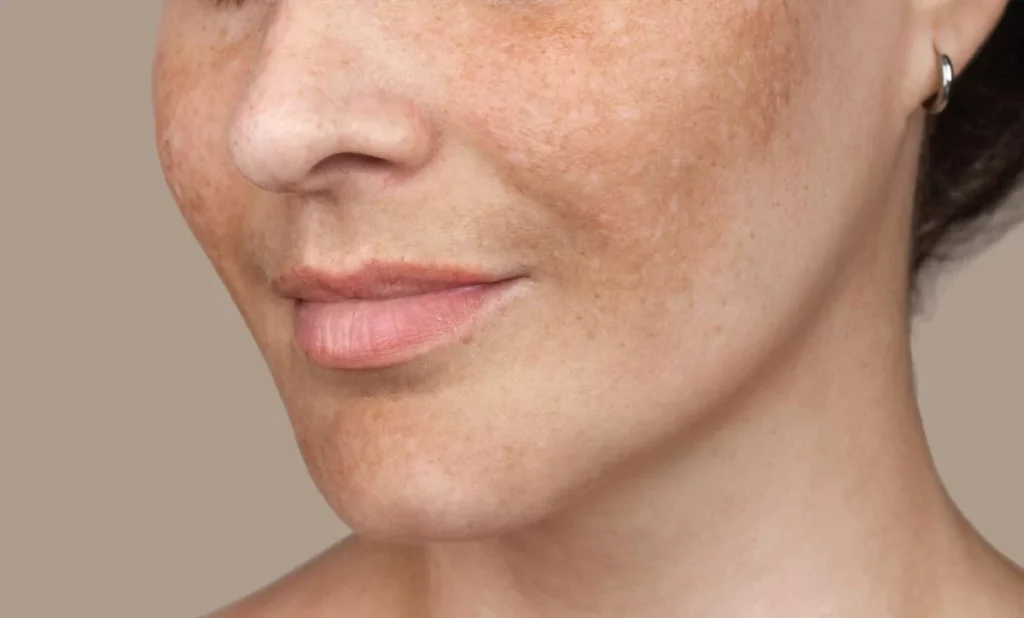
Hyperpigmentation & Discolouration Treatment in London
Target hyperpigmentation, melasma and dark spots with expert-led treatments and tailored skincare
With some expert-led care and attention you can absolutely improve an uneven skin tone.
Hyperpigmentation is one of the most common skin concerns we see. It can appear as scattered dark spots, larger patches of uneven colour or lingering marks that remain long after a breakout or irritation has healed. While the causes vary, the result is often the same – a complexion that looks uneven, patchy or dull.
Concerns such as solar lentigines (also known as sun spots, liver spots and age spots), hormonally driven melasma and post-inflammatory marks caused by acne, eczema, psoriasis, burns or allergic reactions are incredibly common. And with the right plan, they can be treated effectively and managed long term.
At ACE Skin Health Clinic, we take a personalised approach to treating hyperpigmentation. By identifying the underlying cause, type and depth of pigmentation, we can recommend the most effective treatments and skincare to help restore a clearer, more even-looking complexion.
About pigmentation
Understanding Pigmentation & Discolouration
Melanin is the natural pigment that gives our skin its colour. When areas of the skin produce more melanin than others, uneven, darker patches or spots can appear aka hyperpigmentation.
This can look like freckles, or flat round, oval or irregular shaped spots of discoloration that range in colour from pink, red, or purple to brown, or black, depending on your skin tone and the type of pigmentation you have.
Sun exposure is a major trigger, but not the only one. Hormones, inflammation and genetic predisposition can all contribute to the possibility that you will experience some degree of hyperpigmentation. And while it’s not harmful, we understand that it can affect your confidence levels. However, with a structured plan and consistent care we can help you wave goodbye to your pigmentation.
How We Treat Hyperpigmentation & Discolouration
We offer personalised treatments and skincare plans that accommodate your specific needs. We start by assessing the cause, type and depth of your hyperpigmentation, then build a plan to target it effectively. Most people benefit from a combination of approaches.
Chemical Peels
Medical-grade peels work by gently exfoliating the outer layers of the skin, speeding up the natural shedding of hyperpigmented cells and regulating melanin production. Formulations and strength can be tailored to your skin and downtime tolerance.
Cosmelan Peel
A targeted depigmentation treatment that reduces excessive melanin production and works particularly well for melasma and deeper hyperpigmentation. With strict sun protection, it can significantly improve clarity and evenness of tone.
Microneedling with Transdermal Infusion
This creates precise micro-channels in the skin, allowing brightening actives to penetrate deeply. It’s a particularly effective post-acne hyperpigmentation treatment, as it helps to fade discolouration without the need for heat which can cause pigment inducing inflammation.
Polynucleotides
These regenerative molecules support cellular repair and help rebuild healthy skin tissue. By improving skin structure and resilience, they help reduce uneven pigmentation and make future flare-ups less likely.
Exosomes
Exosomes help calm inflammation, encourage regeneration and stimulate collagen. Since inflammation is a key driver of hyperpigmentation, especially PIH, exosomes can be a powerful option for reactive skin types.
Laser Pigmentation Removal
Laser energy targets clusters of excess pigment, breaking them down so the body can gradually clear them. Nd:YAG laser technology is precise, and safe for a wide range of skin tones – making it one of the best treatments for tackling stubborn dark spots on the face and body.
Microdermabrasion
A gentle resurfacing treatment that removes the outer layer of dead skin cells, brightening dull areas and improving the skin’s ability to absorb active ingredients that regulate pigment production.
Bespoke Brightening Facials
Customised facials combine gentle exfoliation and targeted brightening actives to rejuvenate the complexion and support pigment correction. They’re ideal for mild hyperpigmentation or ongoing maintenance.
Melanin-Regulating Skincare
Some people see visible improvements within weeks of their first treatment and daily skincare regimes, while deeper hyperpigmentation may take several sessions to fade. Consistency is key, and a mix of professional treatments, diligent SPF use and targeted skincare can reveal brighter, more even-toned skin over time.
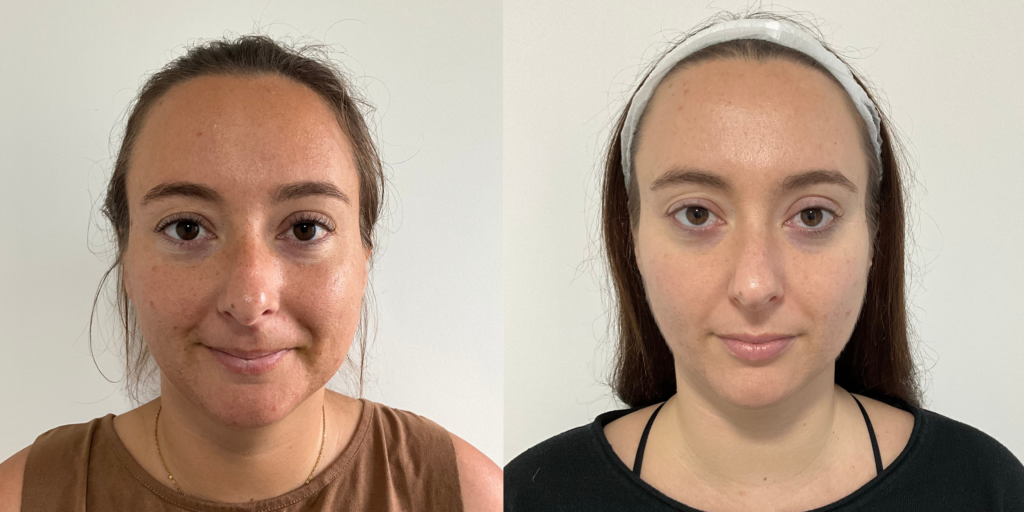
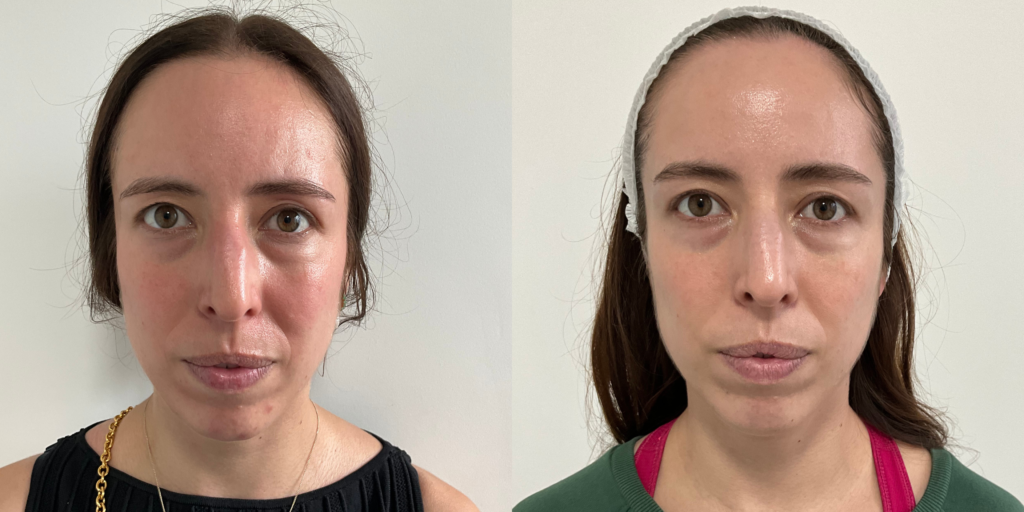
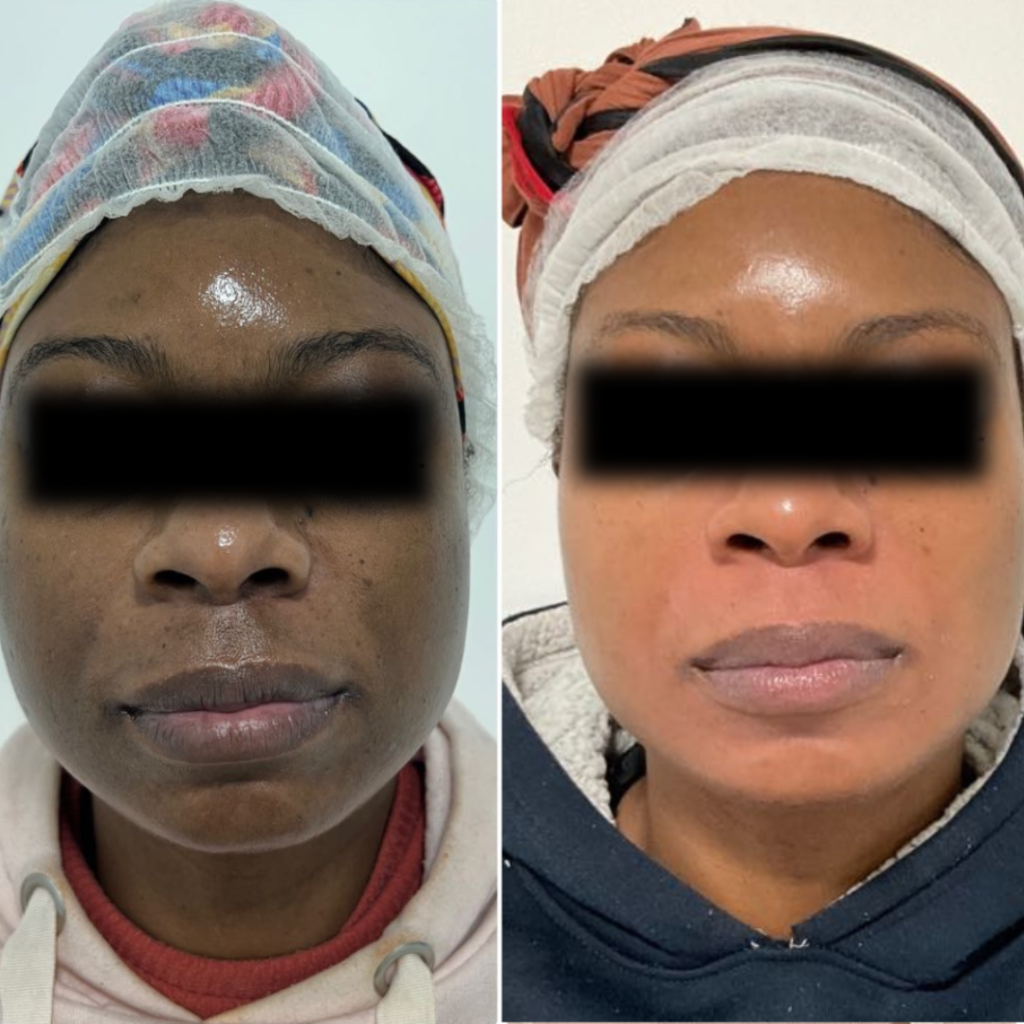
Results
Some people see visible improvements within weeks of their first treatment and daily skincare regimes, while deeper hyperpigmentation may take several sessions to fade. Consistency is key, and a mix of professional treatments, diligent SPF use and targeted skincare can reveal brighter, more even-toned skin over time.
Meet the Founder & Lead Practitioner
Corina Mihalache
L5 Aesthetic Practitioner | BIAE & JCCP Registered | Award-Winning Specialist
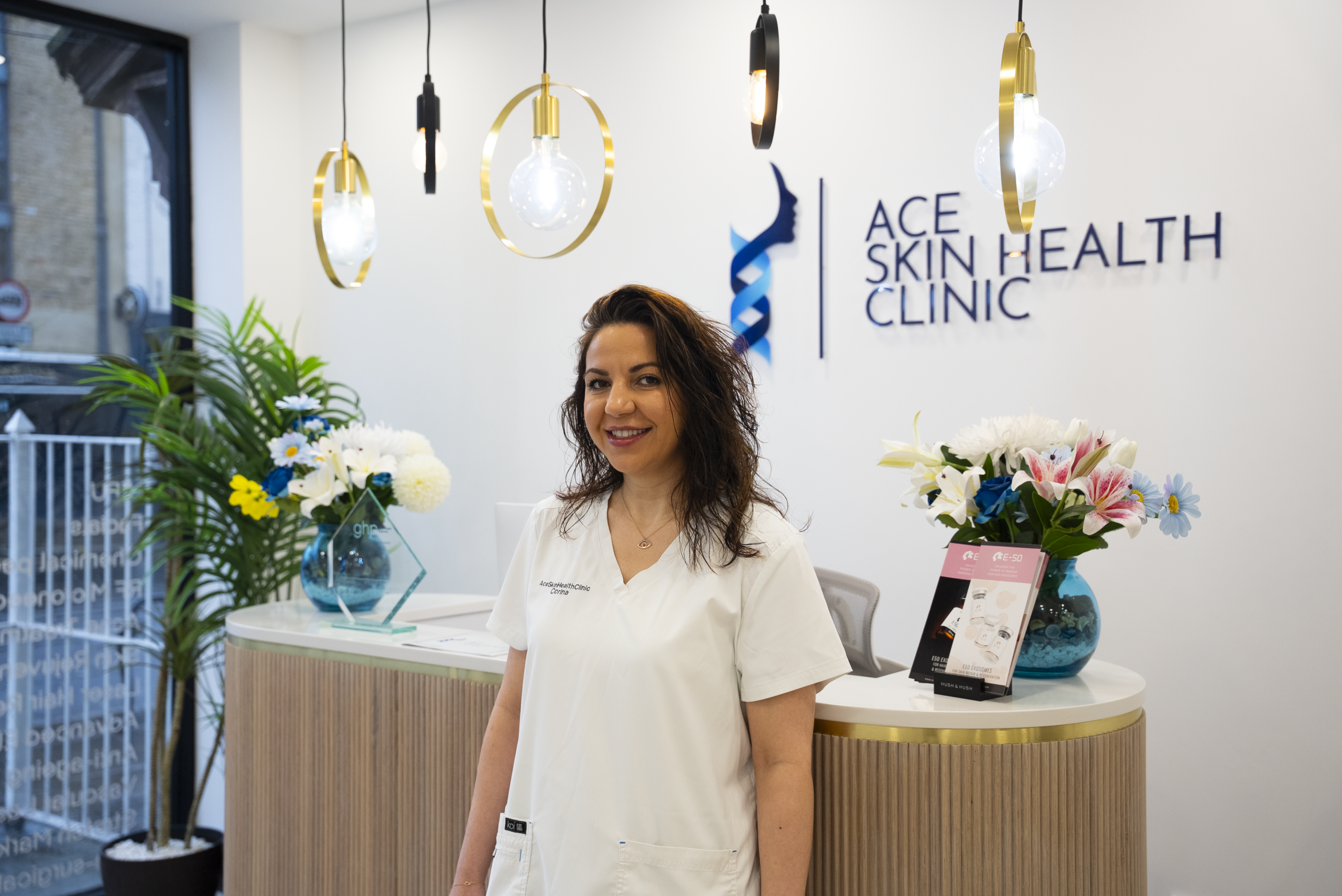
Ace Skin Health Clinic was founded by Corina Mihalache, an advanced aesthetic practitioner and electrologist dedicated to skin health, education, and lasting results, with a reputation for precision and empathy. Her approach to skin is guided not by trends, but by a genuine understanding that every skin is unique and every journey is personal.
Her philosophy is simple: skin should be understood, not rushed.
Corina combines clinical knowledge with a highly personalised approach, creating an environment where clients feel understood, supported, and guided. Her work focuses on improving the appearance of the skin, restoring confidence, and building long-term skin health.
Our founder, Corina Mihalache, is regularly consulted by major publications for her expert clinical insights. She has discussed advanced ingredients such as Tranexamic Acid and provided advice on rosacea triggers. Our expertise has been featured in several recognised publications.
★ ★ ★ ★ ★
“The treatment plan I am on has totally transformed my problem skin which now looks and feels amazing!”

Ann B.
★ ★ ★ ★ ★
“The most relaxing bespoke treatment tailored specifically for my skin needs and follow up treatment plan provided.”

Kezia C.
★ ★ ★ ★ ★
“Corina is such an amazing person with great skills and knowledge about skincare. Highly recommended!”

Samrawit K.
Tailored treatments based on your skin, goals, and lifestyle. Professional skin assessment, personalised advice.







FAQs
At Ace Skin Health Clinic, we believe informed clients achieve the best results. These FAQs cover the most common questions about our approach, safety standards, and treatment process, so you can book with confidence and clarity.
Still have questions?
Get in touch with our team and we will answer all of your questions before you book a session.
What causes hyperpigmentation?
Most hyperpigmentation develops because of sun exposure, inflammation, hormonal changes or genetics.
Where is hyperpigmentation most common?
Hyperpigmentation doesn’t just show up on the face. It often appears on spots that get the most sun – like the hands, shoulders and décolletage – as well as areas where people are more prone to develop acne, eczema, and psoriasis. Plus, anywhere on the face and body where you’ve had an allergic reaction, or where scars have formed.
Is hyperpigmentation permanent?
In most cases, no. It can be reduced or cleared with the right treatments and a good maintenance plan. While melasma can be managed very effectively, though it tends to be a recurring condition, so ongoing care is key.
Why is hyperpigmentation worse after acne?
When skin becomes inflamed, the pigment-producing cells can become overstimulated, leaving behind dark patches once spots heal. These marks often linger longer on darker skin tones.
Can skincare alone clear hyperpigmentation?
For mild hyperpigmentation, targeted skincare can make a noticeable difference. While stubborn pigmentation removal usually needs professional treatments for more effective, longer-lasting results.
Are lasers safe for all skin tones?
Yes, when the right laser and settings are used. Nd:YAG lasers are particularly suitable for a broad range of skin tones, including darker skin.
Can hyperpigmentation come back?
Yes, particularly if skin is exposed to UV light without protection. SPF, protective clothing and regular maintenance treatments help keep hyperpigmentation under control.
Which skin types and tones are more prone to hyperpigmentation?
Dark and medium skin tones (Fitzpatrick IV to VI) are more likely to develop PIH and lingering discolouration. Hormonal hyperpigmentation, such as melasma, is also more common in women and tends to be more visible on skin of colour.
Start Your Hyperpigmentation Treatment Plan Now
Hyperpigmentation can be persistent, but it isn’t something you have to live with. With a carefully tailored plan and consistent care, brighter, clearer, more even-toned skin is achievable.
Get in Touch
Contact us today to book one of our treatment packages
Email address
info@aceskinhealthclinic.co.uk
Phone number
+442081431682
Address
337 Caledonian Road
London, N1 1DW
07455 548471